
A More Balanced Profile, Without Treating Filler Like Surgery
A subtle change along the nasal bridge or side profile can influence how the nose relates to the chin, lips and the rest of the face. For selected adults, Nose Filler can sometimes create a smoother-looking or more balanced profile by adding carefully placed volume.
That distinction matters. Filler does not make the nose physically smaller, remove bone or cartilage, or reproduce the structural changes of rhinoplasty. The aim is not to promote one “ideal” nose. It is to understand the specific concern, the client’s anatomy and whether a limited contour adjustment is realistic.
At Classy Cosmetic Clinic, Nose Filler consultations are available for clients in Thornhill and Newmarket who want an honest discussion before deciding whether treatment should be considered.
Contouring by Adding, Not Reducing
Nose Filler uses dermal filler to influence the visible contours of selected areas of the nose. It is sometimes called a non-surgical rhinoplasty or liquid rhinoplasty, although it is not equivalent to surgery.
The treatment works by adding volume. In selected cases, this can help soften the visual interruption created by a depression, create a more continuous-looking bridge line, or improve the relationship between nearby contours. Because nothing is removed, the nose may appear more balanced from certain angles while remaining the same size or becoming slightly fuller where filler is placed.
This is why a Nose Filler consultation should begin with a precise question: can the concern reasonably be influenced by adding volume?

Concerns That Can Be Explored
Following an individual evaluation, dermal filler for the nose might be discussed for:
- A visible depression along the nasal bridge
- A selected minor contour irregularity
- Side-profile imbalance that could potentially be softened by balancing nearby contours
- A mild dorsal hump that might appear less prominent when the surrounding contours are balanced
- A limited concern involving the visible shape of the bridge or tip
These possibilities are not guarantees. A bump cannot always be safely or effectively disguised. A tip cannot always be lifted or refined with filler. Existing asymmetry may remain visible, and adding volume is not appropriate for every nasal shape.
Nasal profile balancing also needs to be considered in relation to the chin, lips, forehead and overall facial proportions not as an isolated attempt to make every nose look the same.
Clear Boundaries: What Nose Filler Cannot Do
Nose Filler cannot:
- Make a large nose physically smaller
- Remove or reshape bone or cartilage
- Improve breathing or correct a functional nasal problem
- Replace surgical rhinoplasty when structural change is needed
- Guarantee a straight bridge, lifted tip or symmetrical result
- Permanently change the nose
- Produce the same range or type of change as surgery
Clients seeking substantial reduction, major structural change or help with breathing difficulties may need assessment by another qualified medical professional. Concerns related to trauma, obstruction or function should not be treated as cosmetic filler questions alone.
A responsible consultation may conclude that filler is unlikely to meet the client’s goals. It may also lead to postponing treatment, requesting information about previous procedures, or recommending another professional evaluation. Treatment should not be suggested simply because it is available.
The Consultation Matters More Than the Injection
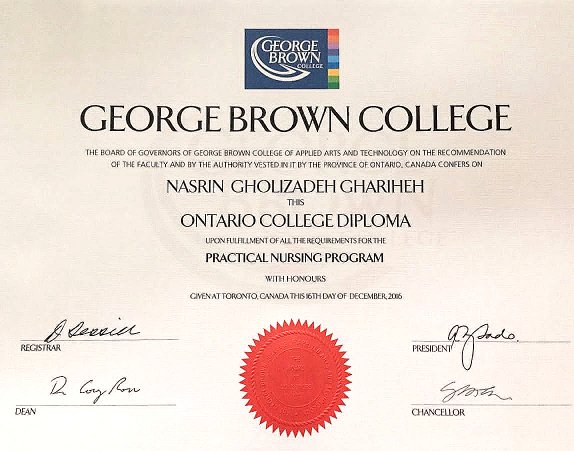
During a Nose Filler consultation with Nurse Nasrin, the discussion can include:
- What the client specifically wants to change
- Whether adding volume could realistically influence that concern
- How the nose relates to the chin, lips and overall profile
- Relevant medical history, medications and current health
- Previous nasal surgery, trauma or filler treatment
- Expected limitations, possible risks and recovery considerations
- Whether another professional assessment would be more appropriate
Declining or postponing Nose Filler can be the correct decision when anatomy, history, risk or expectations do not support treatment.
Previous nasal surgery, scar tissue or earlier filler can alter anatomy and may affect both suitability and the treatment’s risk profile, making complete disclosure particularly important.

Nose Filler and Rhinoplasty Are Different Tools
Non-surgical nose filler and surgical rhinoplasty are not interchangeable.
Nose Filler adds temporary volume and is limited to selected cosmetic contour concerns. It does not remove tissue or restructure the nose. Its risks, recovery pattern and limitations differ from those of surgery.
Rhinoplasty can involve surgical modification of bone, cartilage and other nasal structures. It may be more relevant when the goal involves substantial reduction, major shape change or a functional concern. Surgery also has its own risks, recovery requirements and decision-making process.
Neither approach is universally better. The relevant question is which option—if either—matches the person’s anatomy, priorities and acceptable level of intervention.

What the Appointment May Involve
If treatment is considered appropriate, the appointment may include:
- Reviewing goals and relevant health information
- Examining the nose and overall facial profile
- Discussing realistic possibilities and firm limitations
- Reviewing risks and obtaining informed consent
- Preparing and cleansing the treatment area
- Carefully administering filler according to the clinical plan
- Providing individualized aftercare guidance
Temporary pressure, tenderness or discomfort can occur, and comfort differs from person to person. Treatment should never be described as painless or risk-free.
Clients should disclose previous filler, nasal surgery, injury, medications, allergies, skin concerns and other health information requested by the clinic. Complete disclosure supports a safer decision about proceeding, delaying or declining treatment.
Safety Deserves a Direct Conversation
The nose is a vascularly complex and higher-risk area for dermal filler. Temporary reactions can include redness, swelling, tenderness, bruising and discomfort. Other possible complications include asymmetry, contour irregularity, infection, nodules or other adverse reactions.
Rare but serious vascular complications can occur if blood flow is compromised. These can include skin injury, tissue damage and vision-related complications. The possibility is uncommon, but medically significant and should be discussed clearly during informed consent.
Dermal filler complications can also include vascular occlusion, tissue ischemia, skin necrosis and, rarely, stroke or vision loss.
Clients should follow the clinic’s preparation and aftercare guidance. They should contact the clinic promptly and seek appropriate professional care if they experience severe, unusual, unexpected or concerning symptoms. No filler procedure has zero risk, and reversibility should never be treated as a guarantee.

Results Change as Swelling Settles
Visible contour changes can appear early, but swelling may temporarily affect shape, balance or symmetry. The result should not be judged too soon after the appointment.
How long Nose Filler lasts varies with individual anatomy, treatment approach, filler type and amount, metabolism, lifestyle and previous treatments. Results are temporary, and no exact duration or maintenance schedule can be promised.
Future treatment should be based on reassessment rather than an automatic schedule. Some clients may choose not to repeat treatment.
Who May Be Considered
Nose Filler can be discussed with selected adults seeking a limited cosmetic contour adjustment who understand that the procedure works by adding volume.
Suitability can be influenced by:
- Nasal anatomy and skin condition
- Medical history and current health
- Medications or conditions affecting healing or bleeding
- Previous nasal surgery, injury or trauma
- Existing or previous filler
- Active skin inflammation or infection
- The requested change
- Expectations about size, symmetry and permanence
This is not a self-screening checklist. Clients should disclose relevant health information during consultation.
Nose Filler in Thornhill & Newmarket
Classy Cosmetic Clinic offers nose filler consultations in Thornhill and Newmarket.
Thornhill
7163 Yonge Street Suite 269, Thornhill, Ontario L3T 0C6
Our Thornhill clinic serves clients from Thornhill, North York, Richmond Hill, Vaughan, Markham, and nearby communities. Clients visit this location for consultation-based injectable and skin treatments in a calm, professional setting.
Newmarket
16775 Yonge Street Suite 217, Newmarket, Ontario L3Y 8J
Our Newmarket clinic supports clients from Newmarket, Aurora, East Gwillimbury, Bradford, and surrounding York Region communities. The same calm, professional, assessment-first approach is followed at both locations.
Why Choose Classy Cosmetic Clinic for Nose Filler
Nose Filler requires precision, clinical expertise, and a thorough understanding of facial anatomy. At Classy Cosmetic Clinic, we do not approach non-surgical rhinoplasty as a quick cosmetic procedure. Every treatment begins with a detailed assessment of your facial proportions, nasal structure, aesthetic concerns, and desired outcome.
Our consultation-first approach helps determine whether Nose Filler is the most appropriate option for you or whether another treatment may better achieve your goals. The objective is never to create an artificial appearance. Instead, we focus on enhancing facial balance, refining the nasal profile, and achieving natural-looking results that complement your unique features.
If you are considering Nose Filler in Thornhill or Newmarket, we invite you to schedule a consultation and discover whether this treatment is the right choice for your facial anatomy and aesthetic goals.
Faq
1. Can Nose Filler make my nose smaller?
No. Nose Filler works by adding volume, not removing tissue. It can sometimes create the visual impression of a smoother or more balanced profile, but it does not physically reduce the nose.
2. What concerns may Nose Filler help visually improve?
After consultation, it might be discussed for selected bridge depressions, minor contour irregularities, mild profile imbalance or a dorsal hump that could potentially look softer when nearby contours are balanced. Not every concern can be treated with filler.
3. Is Nose Filler the same as a non-surgical rhinoplasty?
The terms are often used interchangeably in public-facing language. However, “non-surgical rhinoplasty” should not imply that filler can reproduce surgery. Nose Filler is a temporary injectable contouring treatment with narrower capabilities.
4. How is Nose Filler different from surgical rhinoplasty?
Filler adds temporary volume and does not remove tissue or alter the underlying nasal structure. Rhinoplasty can surgically reshape bone and cartilage and may address larger structural or functional concerns.
5. How long can Nose Filler results last?
Duration varies. Anatomy, filler type, amount used, metabolism, lifestyle, treatment approach and previous procedures can all affect longevity. An exact timeframe or maintenance schedule cannot be guaranteed.
6. Is Nose Filler painful?
Comfort varies. Temporary pressure, pinching, tenderness or discomfort can occur during or after treatment. The clinic can explain the comfort measures appropriate to the planned procedure.
7. Is Nose Filler considered a high-risk filler treatment?
The nose is generally regarded as a higher-risk anatomical area for dermal filler because of its complex blood supply. Rare vascular complications can cause skin injury or vision-related harm, making informed consent and careful client selection essential.
8. Can Nose Filler improve breathing problems?
No. Cosmetic filler does not correct nasal obstruction or functional breathing concerns. A qualified medical or surgical assessment may be more appropriate.
9. Can previous Nose Filler or nasal surgery affect suitability?
Yes. Previous filler, surgery, trauma or scar tissue can alter anatomy and may affect the treatment plan and risk profile. These details should be disclosed during consultation.
10. What happens during a Nose Filler consultation?
The provider reviews the concern, facial profile, relevant medical history, previous treatments, realistic limitations and important risks. The outcome may be treatment, postponement, a request for more information or a recommendation for another professional assessment.
11. Is Nose Filler reversible?
It depends on the filler material and clinical situation. Some hyaluronic acid fillers can sometimes be reduced through an appropriate clinical treatment, but not every filler is dissolvable. Dissolving filler also cannot guarantee full reversal of every result, tissue effect or complication.
12. When should I contact the clinic after treatment?
Follow the clinic’s aftercare instructions. Contact the clinic promptly and seek appropriate professional care if symptoms are severe, unusual, unexpected or concerning. Do not wait for a routine follow-up if urgent guidance is needed.
A Thoughtful Next Step for Nose Filler at Classy Cosmetic Clinic
Considering Nose Filler in Thornhill or Nose Filler in Newmarket begins with a conversation not a commitment to treatment.
A consultation at Classy Cosmetic Clinic can clarify what you would like to change, whether adding filler could realistically address that concern, what the treatment cannot do, which risks and alternatives should be considered, and whether proceeding is appropriate.
- Thornhill: 7163 Yonge Street Suite 269, Thornhill, Ontario L3T 0C6
- Newmarket: 16775 Yonge Street Suite 217, Newmarket, Ontario L3Y 8J