
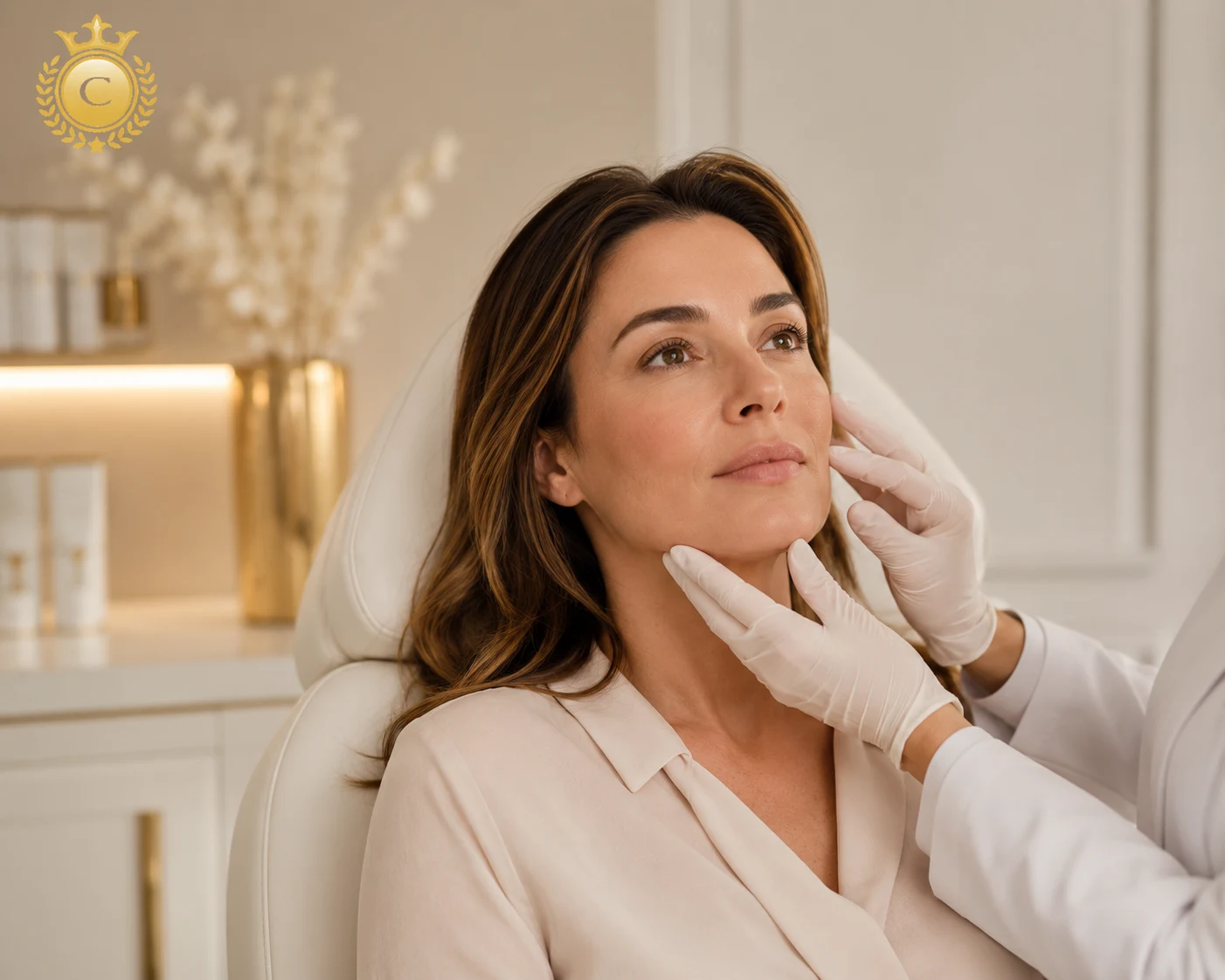
Botox in Thornhill & Newmarket: A Thoughtful Guide to Natural Expression
Botox is often discussed as a cosmetic treatment for wrinkles, but the best Botox results usually begin with a more careful question: how does your face move?
Every person has a different pattern of facial expression. Some people naturally lift their brows when they speak. Some frown when they concentrate. Others notice fine lines around the eyes when they smile or squint. Over time, these repeated movements can contribute to expression lines that remain more visible than they used to.
For many clients, the goal is not to look dramatically different. It is to soften certain movement-related lines, look a little more rested, and still keep the natural expression that makes the face feel warm and personal.
At Classy Cosmetic Clinic, Botox and wrinkle-relaxing treatments are available in Thornhill and Newmarket with a consultation-first approach. Treatment planning is based on facial movement, anatomy, goals, and suitability. A conservative approach may be recommended when the goal is refined, natural-looking softening rather than an over-treated appearance.

Botox Works With Facial Movement
Botox is a neuromodulator treatment that temporarily relaxes selected facial muscles. These muscles are responsible for certain repeated expressions, such as frowning, raising the eyebrows, or squinting.
When specific muscles contract again and again, the overlying skin folds in similar places. These folds may appear as dynamic lines. Dynamic lines are lines that become more visible when the face moves. Over time, some of them may become noticeable even when the face is relaxed.
Botox does not add volume. It does not change bone structure. It does not replace skincare, collagen-supporting treatments, or surgical procedures. Its role is more specific: it may help soften expression lines by reducing the strength of selected muscle movement for a temporary period.
That is why precision matters. The goal is not to relax every muscle in the face. The goal is to understand which muscles are contributing to the concern and whether softening those muscles is appropriate.
Why the Consultation Matters
A thoughtful Botox appointment should not begin with a fixed number of units or a generic treatment map. It should begin with assessment.
During a Botox consultation, your provider may ask you to raise your eyebrows, frown, smile, squint, and relax your face. These movements help show how your forehead, brows, eye area, and upper face work together. They also help identify whether the concern is mainly related to movement, skin quality, volume change, or a combination of factors.
This matters because two people can have the same concern but need different recommendations.
One person with forehead lines may rely strongly on the forehead muscle to keep the brows lifted. Another person may have stronger frown muscles between the brows. Someone else may have fine lines around the eyes that are part of a natural smile. A careful Botox plan considers these differences instead of treating every face the same way.
Your health history is also part of the consultation. Botox may not be suitable for everyone. Suitability depends on factors such as medical history, pregnancy or breastfeeding status, certain neuromuscular conditions, allergies, medications, previous reactions, and the condition of the treatment area.
At Classy Cosmetic Clinic, consultation helps keep the conversation realistic. The goal is to understand what Botox may help with, what it may not address, and whether it matches your comfort level.
Common Expression Lines People Ask About
Botox is most commonly discussed for movement-related lines in the upper face. These concerns are usually connected to repeated facial expression.
Forehead Lines
Forehead lines appear horizontally when the eyebrows lift. Some people notice these lines when they speak, make expressions, or look surprised.
This area requires careful planning because the forehead muscle also helps support brow position. If the area is over-treated, the brows may feel or appear heavier. A conservative approach may help soften movement while keeping the face expressive.
Frown Lines
Frown lines, often called “11 lines,” appear between the eyebrows. They may become visible when someone concentrates, squints, reads, drives, or feels focused.
For some people, this area can make the face look tense even when they feel relaxed. Botox may help reduce repetitive contraction in this area, depending on assessment and suitability.
Crow’s Feet
Crow’s feet appear around the outer corners of the eyes when smiling or squinting. These lines are also connected to natural expression.
The goal is not always to remove every line around the eyes. For many clients, the preferred result is softer creasing while preserving the warmth of a real smile. This is another reason dosage and placement should be thoughtful.
Dynamic Lines Are Different From Static Lines
One of the most useful things to understand before Botox is the difference between dynamic and static lines.
Dynamic lines appear when the face moves. These are the lines Botox is most commonly used to soften.
Static lines are visible even when the face is resting. They may be related to years of repeated movement, skin quality, sun exposure, collagen changes, hydration, genetics, or volume loss.
Botox may help reduce the repeated movement that contributes to some static lines over time, but deeper resting lines may not respond the same way as dynamic expression lines. In some cases, another treatment may be discussed if the concern is more related to skin texture, volume, or overall skin quality.
This is why a consultation is important. A responsible recommendation should explain the difference clearly instead of suggesting that Botox can address every type of wrinkle or facial aging concern.
Botox vs. Dermal Fillers: Why the Difference Matters
Botox and dermal fillers are often mentioned together, but they are not the same treatment.
Botox works by temporarily relaxing targeted muscles involved in expression. It is generally used for dynamic lines caused by movement.
Dermal fillers are different. They are used to add volume, support facial contours, or soften certain folds where volume loss or structure may be part of the concern. Fillers may be considered for areas such as the lips, cheeks, chin, jawline, smile lines, or under-eye area, depending on assessment.
For example, if a line appears mainly when you frown, Botox may be the more relevant conversation. If a concern is related to volume loss or facial proportion, filler may be discussed instead. If the concern is skin texture or dullness, treatments such as PRP facial or microneedling may be more relevant.
Not every client needs combination treatment. The right option depends on your goals, anatomy, and professional assessment. A premium approach is not about doing more treatments. It is about choosing carefully.
Why Conservative Botox Can Look More Refined
A conservative Botox plan can be especially helpful for clients who want a softer, more natural result.
Conservative treatment does not mean the treatment is careless or too light. It means the approach is measured. The provider considers how much movement should be softened, how much expression should remain, and how the treated area affects the rest of the face.
This is especially important for first-time Botox clients. Starting conservatively may allow your provider to understand how your muscles respond. It may also help you feel more comfortable with the result.
Some people want very subtle softening. Others prefer a more noticeable reduction in movement. Both preferences should be discussed honestly, but the plan still needs to respect facial balance and safety considerations.
The most elegant Botox results often do not announce themselves. The face may look a little more rested, smoother in certain expression areas, and still natural in conversation and photos.
What to Expect During a Botox Appointment
A Botox appointment is usually straightforward, but it should still feel careful and professional.
First, your provider reviews your goals and assesses your facial movement. The treatment areas are then cleaned, and small injection points may be planned based on your anatomy. Botox is placed using a fine needle in targeted areas.
Most people describe the sensation as a brief pinch or small sting. The appointment itself is usually relatively short, although consultation and assessment should not feel rushed.
After treatment, your provider will review aftercare instructions. These may include avoiding rubbing or massaging the treated area for a period of time and following clinic-specific guidance around exercise, heat exposure, and certain activities immediately after treatment.
Mild redness, tenderness, swelling, or bruising can occur around injection sites. Side effects and risks should be reviewed before treatment so you know what to expect and when to contact the clinic.

When Results May Appear
Botox does not usually create its full effect immediately. Some people begin to notice softening within a few days. The full effect is commonly assessed around two weeks after treatment.
Results are temporary. For many clients, the effect lasts a few months, but this varies. Muscle strength, metabolism, dosage, treatment area, and individual response can all affect longevity.
Because results vary, follow-up planning should be individualized. Some clients prefer regular maintenance. Others choose to treat only when movement becomes more noticeable again. Your provider can guide you based on how your face responds and what result feels right for you.
Botox in Thornhill and Newmarket
Classy Cosmetic Clinic serves clients from both Thornhill and Newmarket, as well as nearby communities.
The Thornhill location is at:
7163 Yonge Street Suite 269
Thornhill, Ontario L3T 0C6
The Newmarket location is at:
16775 Yonge Street Suite 217
Newmarket, Ontario L3Y 8J
Whether you visit the Thornhill clinic or the Newmarket clinic, the Botox approach should remain consistent: careful facial assessment, refined treatment planning, realistic expectations, and respect for natural expression.
For local clients, convenience matters. But with Botox, provider judgment matters just as much. A few small injection points can influence facial expression, brow position, and overall balance. That is why the treatment should be planned with care rather than treated as a quick beauty appointment.
What Botox Cannot Do
Botox can be a useful option for certain expression lines, but it has limits.
It cannot permanently remove wrinkles. It cannot stop the skin from aging. It cannot replace good skincare, sun protection, or healthy skin habits. It does not restore lost facial volume. It is not a surgical lift. It also should not be presented as a complete facial rejuvenation solution on its own.
Understanding these limits helps create better outcomes because it keeps expectations realistic.
If your concern is mainly texture, pores, dullness, or skin quality, Botox may not be the main treatment to discuss. If your concern is volume loss or facial contour, dermal filler may be more relevant. If your concern is early skin rejuvenation support, treatments such as PRP facial or microneedling may be discussed.
A consultation helps clarify which treatment category fits the concern.
Choosing Botox for Subtle, Balanced Softening
The best Botox decision is not based on trends, age, or a list of promised benefits. It is based on your face, your goals, and a clear understanding of what the treatment may realistically do.
For some clients, Botox may help soften forehead lines, frown lines, or crow’s feet while keeping the face expressive. For others, a different treatment or no treatment may be the better recommendation.
At Classy Cosmetic Clinic, Botox in Thornhill and Newmarket is approached with a calm, consultation-first philosophy. The focus is on refined results, natural movement, and careful treatment planning.
If you are considering Botox or wrinkle-relaxing treatment, the next step is to speak with the clinic about your goals and suitability.
To contact Classy Cosmetic Clinic, call 647 909 5026 or email classycosmeticclinic@gmail.com.
FAQ suggestions if useful
1. What areas is Botox commonly used for?
Botox is commonly discussed for dynamic expression lines such as forehead lines, frown lines, and crow’s feet. Suitability depends on facial movement, anatomy, health history, and professional assessment.
2. Will Botox make my face look frozen?
A conservative approach may help soften selected expression lines while preserving natural facial movement. Results depend on placement, dosage, anatomy, and individual response.
3. How long does Botox usually last?
Botox results are temporary. Many clients notice effects for a few months, but longevity varies depending on metabolism, muscle strength, treatment area, and dosage.
4. When will I see Botox results?
Some people begin to notice softening within a few days, with the full effect commonly assessed around two weeks after treatment. Individual response varies.
5. Is Botox the same as dermal filler?
No. Botox temporarily relaxes targeted muscles involved in expression lines. Dermal fillers add volume or support in selected areas, depending on assessment.
6. Is Botox suitable for everyone?
No. Botox may not be suitable for everyone. A consultation is recommended to review your goals, health history, facial anatomy, and treatment suitability.