

“Full face filler” is a broad description of facial treatment planning, not a fixed number of syringes or a standard set of injection sites. Before considering treatment, ask which concerns have been assessed, why filler is being proposed and what the plan is unlikely to change. Choosing no treatment remains an option.
Start with a facial assessment

A consultation should consider your concerns, existing proportions, previous treatments and health history. Ask the clinician to distinguish the concern you describe from the result they believe is realistic. A request for a more balanced appearance does not mean every facial area needs treatment.
Use our dermal filler service information as background, then discuss your own goals and suitability in person. An online photograph cannot establish a safe amount, placement or treatment plan.
Understand the purpose of each proposed area

Ask why a particular area is included and how it relates to your overall aim. What change is intended, what might remain unchanged, and which alternatives should you consider? Ask whether it would be more appropriate to address one concern and review it before deciding about another.
A staged proposal should still explain its rationale. More product or more treated areas should not be assumed to mean a better result. Do not choose an amount by copying someone else’s photograph or a package name.
Risks and limitations belong in the decision
Filler treatment has risks. The FDA’s patient guidance describes swelling, bruising, infection and other complications. Unintended injection into a blood vessel can cause serious harm, including tissue damage, vision loss or stroke. Ask which risks apply to the proposed areas, how concerns are assessed and what urgent-care instructions you will receive.
Do not assume that every filler can be easily removed or that a non-surgical procedure has no recovery period. The same FDA resource explains that removal may be difficult or impossible for some materials. It is a US safety resource, not a statement that a particular product or use is authorized in Canada.
Preparation and follow-up should be individualized

Provide a current medicine and supplement list, medical history, previous procedures and any history of treatment reactions. Tell the clinician if you do not know the details of an earlier filler treatment. Never stop prescribed medication on the basis of a general cosmetic-treatment article; speak with the prescribing professional.
Ask for written preparation and aftercare instructions suited to your plan. Clarify whom to contact during and outside clinic hours, what requires urgent assessment and when a routine review would take place. Our after-filler care article can support questions, but your treating professional’s instructions should guide your care.
Review the quote without assuming a guaranteed result

Ask for the proposed areas, product information, amount, total cost, taxes and included follow-up to be explained in writing. Clarify how additional treatment, postponement or a change of plan would be handled. This article does not supply a package price, a maintenance schedule or a promised duration.
Discuss the limits of the proposed result and how it would be reviewed. An immediate appearance, a settled result and longer-term follow-up are different points in a treatment journey; ask the clinician which assessment is relevant to your plan.
Use examples as discussion prompts
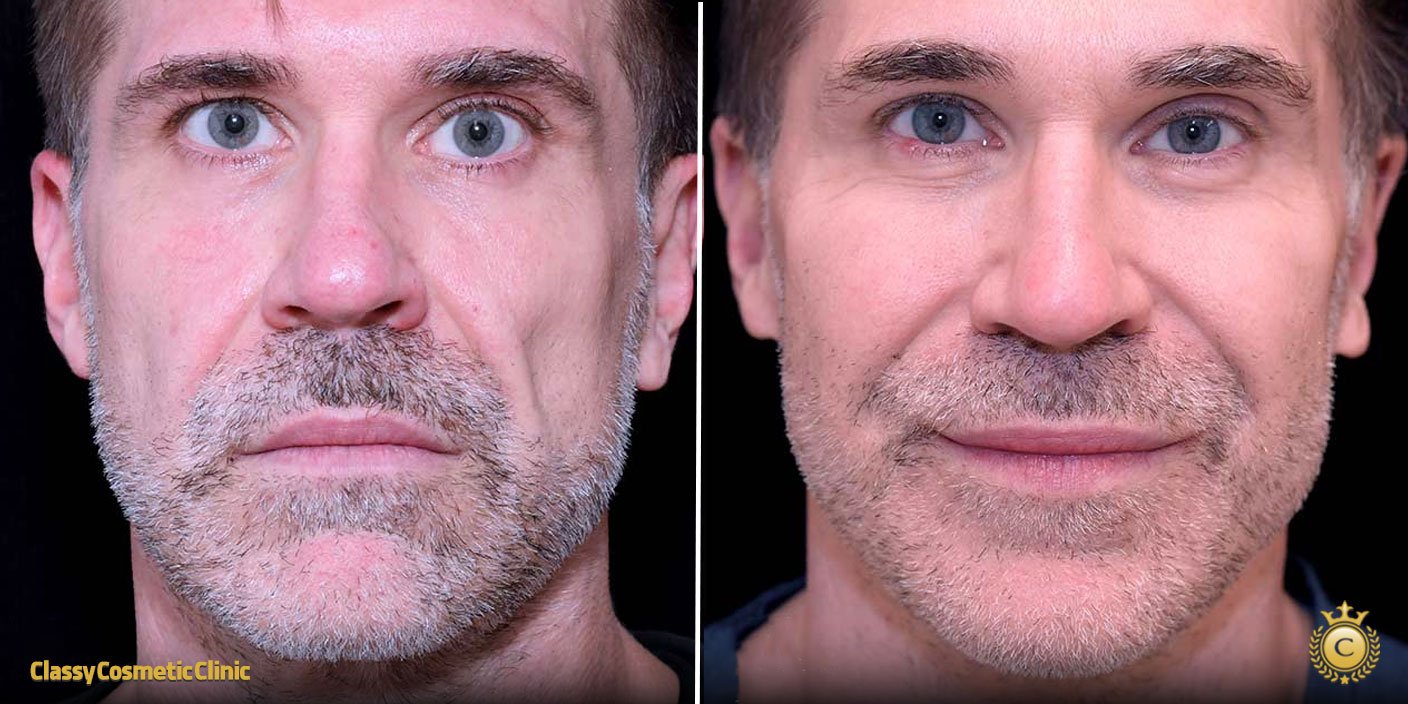
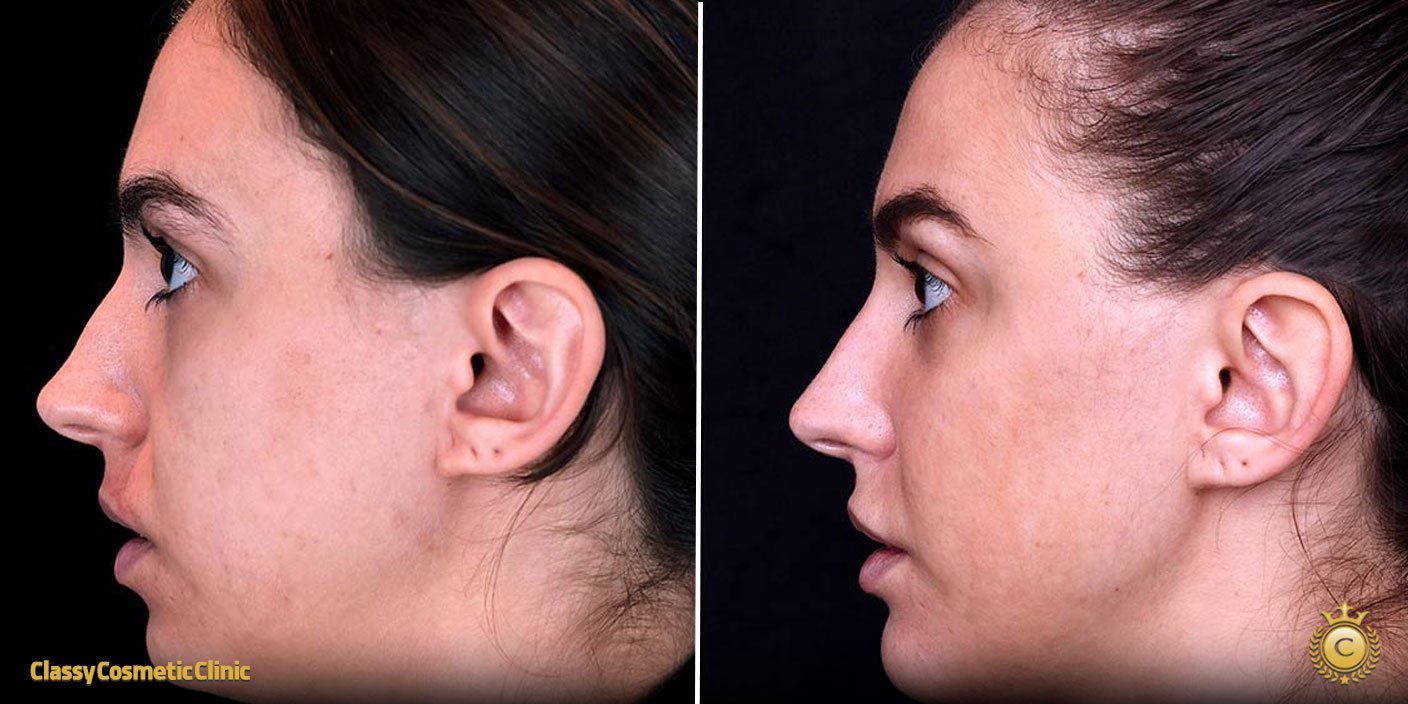
The original photographs in this article have been retained without altering treatment results. The clinic owner confirmed that the Full Face Filler photographs show Classy’s work and have valid publication consent. They illustrate individual examples and do not predict your outcome, suitability or required amount.
Before deciding, check that you understand the proposed aim, important risks, alternatives and follow-up route. Confirm directions and consultation arrangements at the Thornhill clinic or Newmarket clinic. Take more time or seek another opinion if questions remain.
Sources and scope
This educational article draws on FDA dermal filler patient information and the CNO advertising guidance. It does not replace individual assessment, claim independent clinical review, or imply CNO endorsement.
4 Responses