
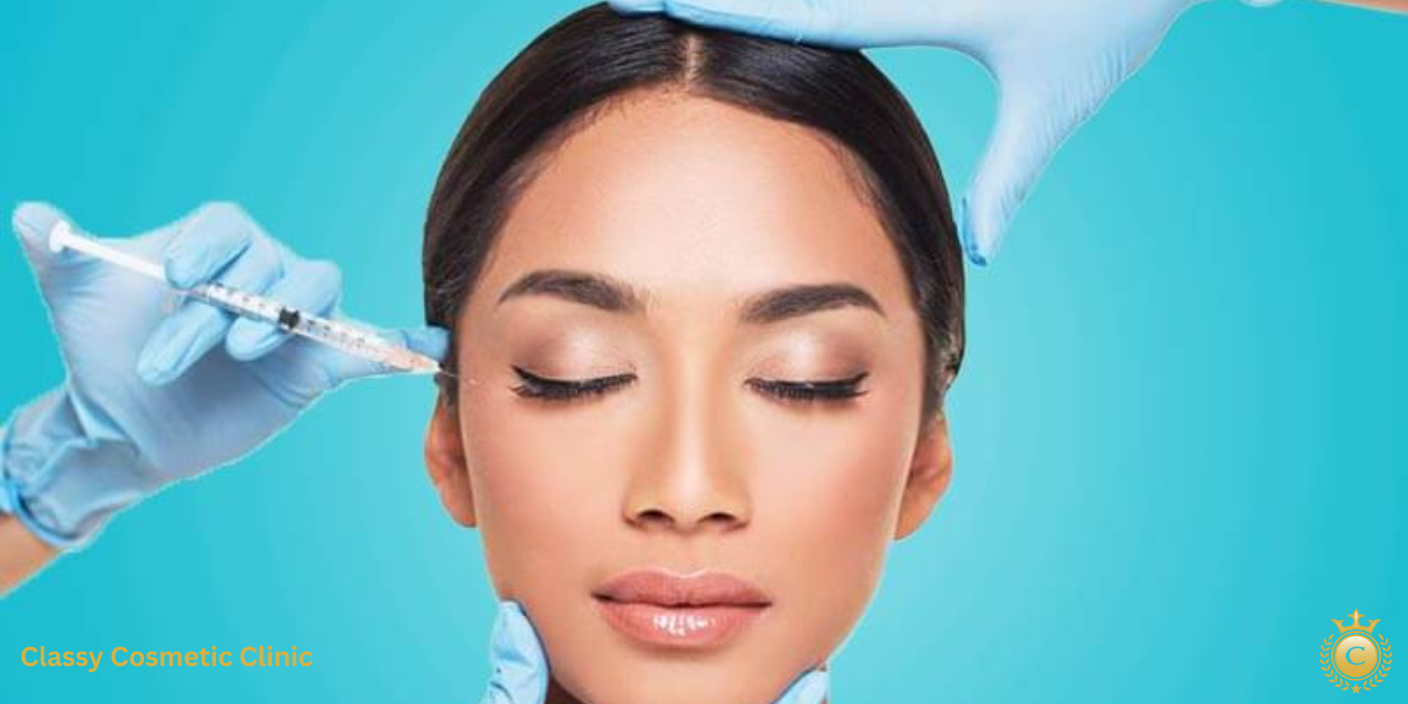
The most useful advice after dermal filler is simple: follow the instructions for the exact product and area treated, keep unnecessary pressure off the injection sites, and know the difference between expected early reactions and warning signs. Mild swelling, tenderness, redness and bruising can happen after treatment. Unusual pain, vision changes, stroke-like symptoms, or skin near the injection site turning white, grey or blue require immediate medical attention.
That distinction matters more than any rigid online timetable. A lip treatment does not settle in exactly the same way as cheek or chin filler. The amount placed, injection technique, personal tendency to swell or bruise, medical history and product all influence recovery. Advice that was appropriate for a friend—or even for your own previous appointment—may not be the right instruction for a different treatment.
At Classy Cosmetic Clinic, aftercare is part of the treatment plan for dermal fillers in Thornhill and Newmarket, not an afterthought. This guide will help you prepare for the early recovery period without pretending that every client follows the same clock.
Why Filler Aftercare Is Not One-Size-Fits-All
Dermal filler is a medical procedure, and different filler products are designed for specific uses. The injection area also changes what recovery looks and feels like. Lips move constantly and can show swelling clearly. The under-eye area has thin tissue where even a small amount of swelling may be noticeable. The cheeks and chin may feel tender or firm before they feel familiar again.
This is why your injector’s instructions should take priority over a general article. Product-specific patient information, the depth and location of treatment, and what happened during the appointment can all affect the plan. If written instructions and something online disagree, contact the treating clinic rather than choosing the advice that sounds easier.
A good aftercare plan should tell you:
- Which early reactions are expected for your treatment
- Whether a cool compress is appropriate and how to use it
- When you may resume exercise, makeup and skincare
- Whether the area should be left alone or handled in a particular way
- How and when the clinic wants to reassess the result
- Which symptoms require a call, an urgent assessment or emergency care
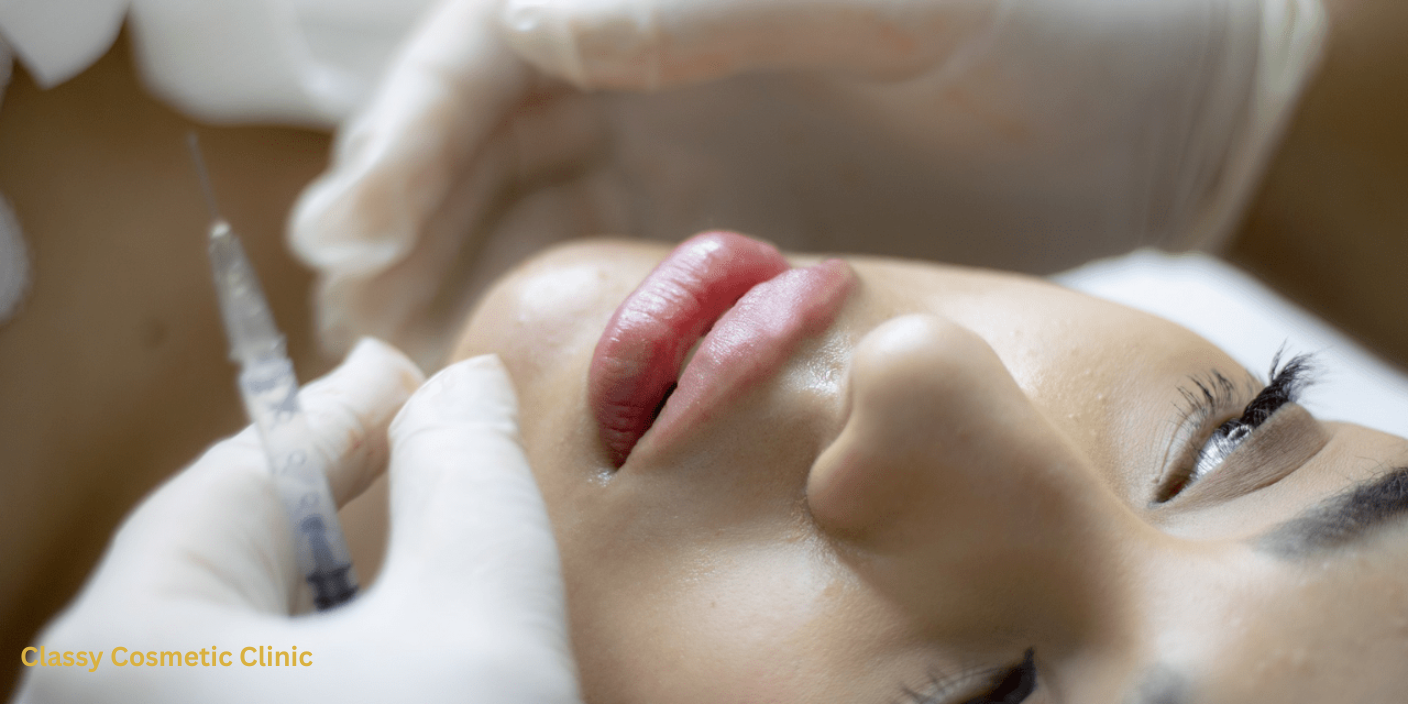
What to Do After Filler
Keep the Area Clean and Your Hands Away
Fresh injection points create a temporary opportunity for irritation and contamination. Avoid repeatedly touching, pressing or checking the treated area with unwashed hands. When your provider permits cleansing, use clean hands and a gentle approach. Do not scrub to test whether the filler has “settled.”
Change anything that will sit directly against the treated area if it is not clean. Depending on where you were treated, that may include a pillowcase, phone screen, glasses or face covering. This does not require turning recovery into a sterile ritual; it is simply a practical way to reduce unnecessary contact.
Use Cooling Only as Instructed
A cool compress may be recommended for temporary comfort or swelling. If your provider approves it, wrap the cold source rather than placing ice directly on the skin, use light contact and avoid firm pressure. More cold or more pressure is not necessarily better.
If the treated skin looks unusually pale, grey or blue, feels increasingly painful, or you are worried about its circulation, do not try to manage it by repeatedly icing the area. Contact the treating clinic immediately and seek urgent medical attention.
Keep Your Aftercare Contact Information Close
Save the clinic’s number before leaving your appointment. If something changes, a time-stamped photograph in consistent lighting can help the provider understand the progression, but a photo should not delay an urgent assessment. Describe when the symptom began, whether it is improving or worsening, and whether you have pain, colour change, heat, drainage, fever or visual symptoms.
Let the Early Result Be Early
Filler adds shape or volume, while the injection process can temporarily add swelling. Those two effects are not the same. The mirror immediately after treatment—and sometimes for a while afterward—does not necessarily show the settled result.
It is understandable to notice every tiny difference once you have paid close attention to a treatment area. Repeatedly pressing, comparing sides or photographing the area from changing angles can make normal variation feel alarming. Observe the trend instead: is the area gradually becoming more comfortable, or is pain, swelling, redness or colour change becoming more pronounced?
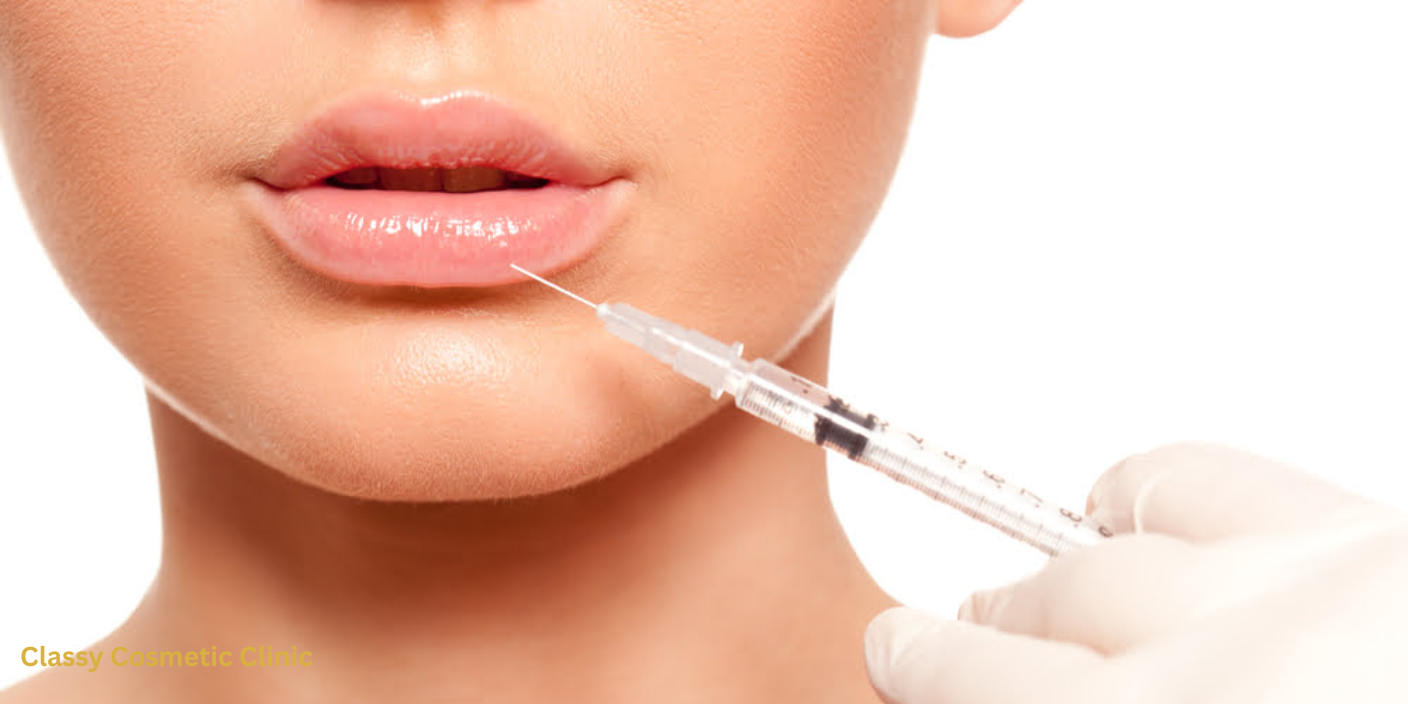
What to Avoid After Dermal Filler
Do Not Massage or Reshape the Area Unless Told To
Online advice about massage is contradictory because it is often taken from different products, areas and situations. Do not squeeze a bump, press down an asymmetry or try to move filler yourself. Some treatments may involve specific provider-directed massage; others should be left alone. The correct instruction is the one given for your procedure.
If the area feels uneven, take note of when you first noticed it and ask for an assessment. Early swelling can create temporary differences between the two sides. A persistent concern may need clinical evaluation, but self-manipulation can make the picture harder to interpret.
Temporarily Limit Activities Your Provider Identifies
Your provider may ask you to pause strenuous exercise, alcohol, intense heat or extensive sun exposure for a period after treatment. The appropriate window can depend on the product, treatment area and your individual circumstances. Follow the specific instructions you receive rather than treating one social-media rule as universal.
The same principle applies to saunas, hot tubs, heated fitness classes and activities that put direct pressure on the face. Tell the provider about work, sport, sleep equipment or hobbies that may affect the treated area so the advice can be realistic.
Wait for Permission Before Makeup and Active Skincare
Makeup, cleansing devices and strong skincare products can add friction or introduce ingredients to recent injection sites. Ask when you may resume makeup and your usual routine. Once permitted, use clean hands, clean brushes or applicators, and avoid forceful rubbing.
Do not use exfoliating acids, retinoids, scrubs or at-home devices simply because they were already part of your routine. The return to active skincare should follow the provider’s directions and how the skin looks and feels.
Do Not Stop Prescribed Medication on Your Own
Bruising concerns sometimes lead people to stop medications or begin supplements without advice. Do not stop aspirin, anticoagulants or any prescribed medication because of a cosmetic appointment unless the clinician who manages that medication tells you to do so. The medical risk of stopping treatment may be far more important than a temporary bruise.
Likewise, “natural” does not mean interaction-free. Arnica, bromelain and other products promoted for bruising are not automatically appropriate for everyone. Discuss medications, vitamins, herbal products and supplements with your injector and, when relevant, your pharmacist or prescribing clinician.
What Can Be Normal During Filler Recovery?
Health Canada lists pain, bruising, redness, swelling and nodules among reported reactions to dermal fillers. The U.S. Food and Drug Administration notes that swelling and bruising often occur shortly after injection and that many reactions resolve over days to weeks. This does not create a guaranteed recovery deadline, but it helps explain why a treated area can look different before it looks settled.
Expected early changes may include:
- Mild-to-moderate swelling around the injection sites
- Localized tenderness or sensitivity
- Redness at entry points
- Bruising that changes colour as it resolves
- Temporary firmness or an uneven feel
- Asymmetry that appears related to unequal swelling
The intensity and timing vary. A person who barely bruised after cheek filler may swell more noticeably after a lip filler treatment. Someone receiving under-eye filler may notice small changes more easily because the tissue and lighting around the eyes make contour differences visible.
“Common” does not mean every symptom should be ignored. A mild reaction should generally be judged by its direction as well as its presence. If discomfort is becoming sharper, swelling is rapidly increasing, redness is spreading, or the skin colour is changing, contact the clinic promptly.

Normal Settling or a Reason to Call?
| What You Notice | Appropriate Next Step |
|---|---|
| Mild tenderness, localized swelling or bruising that is stable or gradually improving | Continue the personalized aftercare plan and monitor the trend. Contact the clinic if you are unsure. |
| Early unevenness that changes as swelling changes | Do not massage or add pressure. Photograph it consistently and ask when the provider wants to reassess it. |
| Redness, warmth or swelling that is worsening; drainage; an open sore; fever; or feeling unwell | Contact the treating clinic promptly for clinical guidance. Infection and inflammatory reactions need assessment. |
| A new or growing firm lump, persistent tenderness, or swelling that returns after the area had settled | Arrange an assessment. Filler-related reactions can appear later, not only in the first days. |
| Unusual or severe pain, vision changes, white/grey/blue skin near the injection site, or signs of stroke | Seek immediate medical attention. Do not wait for a routine follow-up. |
| Trouble breathing, throat swelling or symptoms of a severe allergic reaction | Call emergency services immediately. |
This table is a guide, not a diagnosis. If your symptom feels out of proportion, changes quickly or concerns you, it is reasonable to contact the clinic even if it does not fit neatly into a category.
The Filler Warning Signs That Cannot Wait
The most concerning filler complication is unintended injection into a blood vessel, which can reduce blood supply to tissue. It is uncommon, but the consequences can be serious and permanent. The FDA advises seeking immediate medical attention for unusual pain, vision changes, a white, grey or blue appearance of skin near the injection site, or signs of a stroke during or shortly after treatment.
Stroke signs can include sudden difficulty speaking, facial drooping, numbness or weakness of the face, arm or leg, difficulty walking, severe headache, dizziness, confusion or visual changes. Breathing difficulty or a severe allergic reaction also requires emergency care.
Do not wait for a direct message to be answered, book a standard online appointment, or try home remedies when these symptoms are present. Call emergency services and explain that you recently received dermal filler. Contact the treating clinic as soon as emergency care is underway so the clinicians can communicate relevant product and treatment details.
Delayed Reactions Can Happen Too
Not every filler concern appears on the day of treatment. The FDA notes that inflammation near filler sites has been reported after viral or bacterial illness, infection, vaccination or dental procedures. Nodules, infection, wounds, allergic reactions and other adverse events can also occur later.
This does not mean routine illness, vaccination or dental care will inevitably cause a filler problem. It means your history matters. Tell your injector about recent illness and any upcoming dental or medical procedures, and ask whether timing should be adjusted for your situation. If a previously settled area develops new swelling, redness, tenderness or a lump, mention both the filler history and the recent health event when you seek assessment.
Keep a record of the product, treatment date and area injected. If you later see a different clinician, accurate information is more useful than remembering that it was simply “a filler.”
When Can You Judge the Result?
There is no single day on which every filler treatment becomes final. Early swelling must settle, tissue may need time to feel familiar again, and different areas recover differently. Your clinic should give you a review window that fits the product and treatment plan.
Avoid diagnosing migration, underfilling or overfilling from the first mirror check. Migration refers to filler being found away from the intended placement; temporary swelling around a recently injected area is not automatically migration. If a contour concern persists, let the provider examine it before deciding what it means.
Do not arrange a quick correction elsewhere without sharing the original treatment details. Adding more product, trying to dissolve a filler or manipulating the area without a clear diagnosis can create new risks. The FDA notes that reducing or removing filler may require injections, surgery or other interventions and can be difficult or impossible depending on the material.
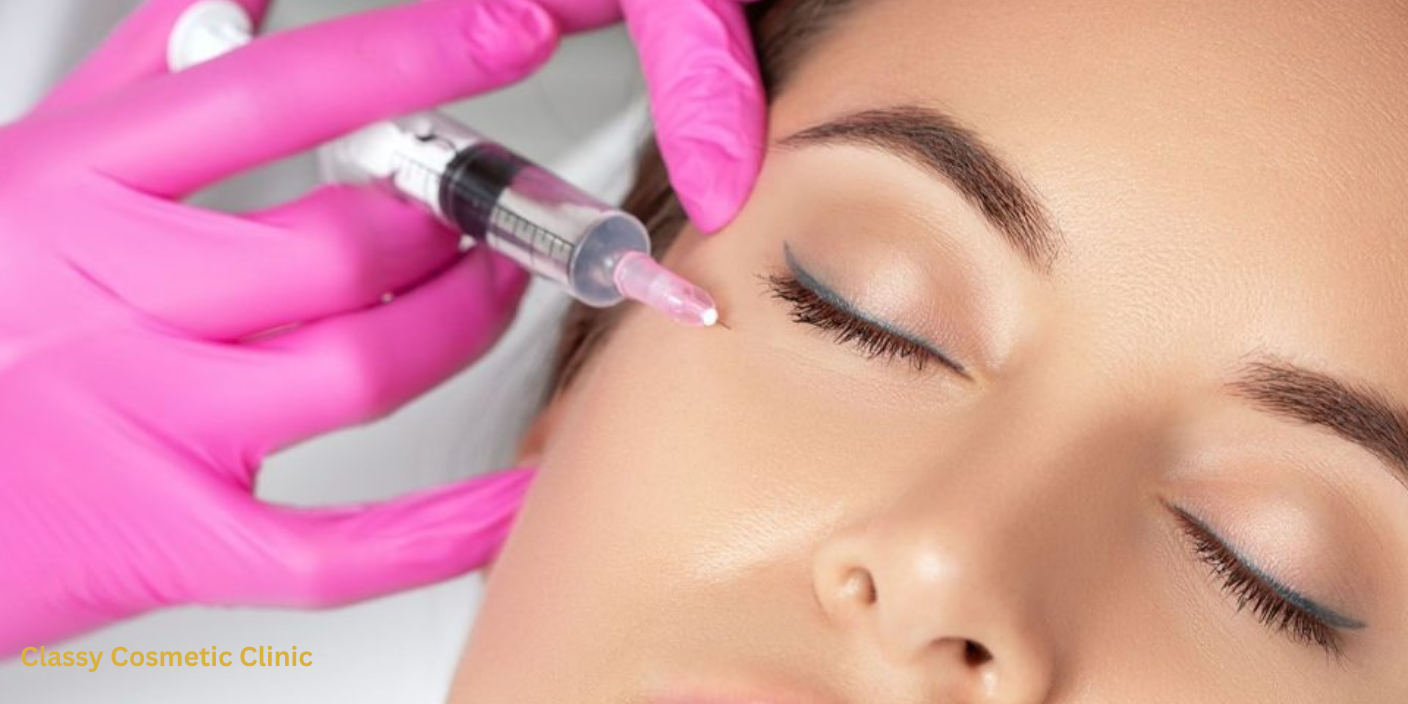
Planning Filler Around Work, Travel and Events
If you need to look camera-ready on a specific date, leave room for uncertainty. Bruising and swelling cannot be guaranteed away, and a follow-up may be appropriate before an important event. The safest schedule is not a universal number of days; it is a plan made with the injector after considering the area, product, your previous response and the importance of the event.
Travel also deserves a practical conversation. Know how to reach the clinic, what local care would be available, and whether your itinerary includes heat, strenuous activity or limited access to medical help. For a first filler appointment, scheduling immediately before a flight or remote trip may leave little flexibility if you need assessment.
After Filler Care in Thornhill and Newmarket
For clients treated at our Thornhill clinic, aftercare includes knowing how to reach the team and which changes should be reported. Bring your medication and supplement list to the appointment, mention upcoming events or dental work, and ask questions before you leave. A clear plan is especially useful when you are balancing treatment with work, commuting or family responsibilities in Thornhill and the surrounding area.
Classy Cosmetic Clinic also sees filler clients at its Newmarket location. The same principle applies at both locations: the product, treatment area and your medical history should shape the instructions. Newmarket is part of the clinic’s service area, but Thornhill remains the primary local focus of this guide.
If you were treated elsewhere and have a concern, the clinic may need your product name, treatment date, injected areas, quantity if known and a description of how the symptom developed. For routine questions or an assessment in Thornhill or Newmarket, contact Classy Cosmetic Clinic. Emergency warning signs should go directly to emergency care, not a routine booking form.
Thornhill
7163 Yonge Street Suite 269
Thornhill, Ontario L3T 0C6
Newmarket
16775 Yonge Street Suite 217
Newmarket, Ontario L3Y 8J1