

Dermal Fillers in Thornhill & Newmarket: Facial Balance, Volume Support & Natural Proportion
If you search for dermal fillers near me, it is easy to come away with the impression that filler is mainly about adding volume quickly. In practice, thoughtful filler treatment is usually less about size and more about proportion. The question is not simply, “Where can I add more?” It is often, “What would help this face feel more balanced, supported, and harmonious?”
At Classy Cosmetic Clinic, dermal fillers in Thornhill and Newmarket are approached with that broader view in mind. A filler plan should begin with assessment, not assumptions. Some clients want subtle lip refinement. Others are more concerned with cheek support, chin projection, jawline definition, or the way smile lines fit into the rest of the face. In each case, the best recommendation depends on anatomy, facial movement, skin quality, and personal goals.
Many dermal fillers used in facial aesthetics are smooth gels, often made with hyaluronic acid, that can provide temporary structure, softness, or volume beneath the skin. They are different from wrinkle-relaxing treatments such as Botox, which work by reducing targeted muscle movement rather than adding support. Results vary, treatment recommendations vary, and the most appropriate plan is the one that suits the face as a whole.
Facial balance often matters more than simply adding volume
People do not usually look “better” because product was added to one area in isolation. They tend to look more refreshed when the relationship between different features improves. A small change in the cheeks can influence how the under-eye area reads. A carefully planned chin adjustment can improve profile balance. A subtle lip treatment can bring more harmony to the lower face without making the lips dominant.
That is why facial balancing with filler is a more useful framework than the old idea of “just getting filler somewhere.” A well-considered result should still feel like your face. The goal is not a dramatic change or perfect symmetry. It is natural-looking proportion, soft support where it is needed, and restraint where it is not.
What dermal fillers may help support
Depending on assessment, dermal fillers may help support several different concerns. They can be used to restore the appearance of volume where the face looks flatter or more hollow than before. They may help refine contour, soften selected lines, support structure in areas that feel under-projected, or improve transitions between one facial area and another.
What fillers cannot do is just as important. They do not permanently correct a concern. They do not replace surgery when skin laxity is the main issue. They do not work like wrinkle-relaxing treatment for dynamic expression lines. And they should not be presented as a one-treatment answer for every facial concern. Temporary structure and subtle refinement are more realistic expectations than “transformation.”
Assessment should come before any syringe
One of the biggest differences between a generic filler appointment and a premium, medically careful approach is the quality of the assessment. At consultation, the face should be evaluated from more than one angle. The provider should look at the relationship between the upper, middle, and lower face, and consider how the lips, cheeks, chin, jawline, under-eye area, and smile lines relate to one another.
This is where better treatment decisions are made. You may come in asking about one feature, but the underlying issue may be somewhere else. For example, smile lines sometimes look heavier because the mid-face has lost support. In that situation, treating the fold directly may not be the most balanced first step. Supporting the cheek may create a softer, more natural improvement.
Assessment also matters because not every concern is best treated with filler. In some cases, wrinkle-relaxing treatment, PRP facial, microneedling, skin boosters, or simply a staged treatment plan may make more sense. Consultation is not a formality. It is part of responsible treatment planning.
Different areas support balance in different ways
Lips
Lip filler should not automatically mean “bigger lips.” In many cases, the better goal is shape, hydration, border definition, or a more balanced relationship between the upper and lower lip. Some clients looking for lip filler in Thornhill are not asking for obvious volume at all. They may simply want gentle refinement that still looks consistent with the rest of the face. A conservative lip plan may help with softness, definition, and proportion while avoiding an overfilled look.

Cheeks
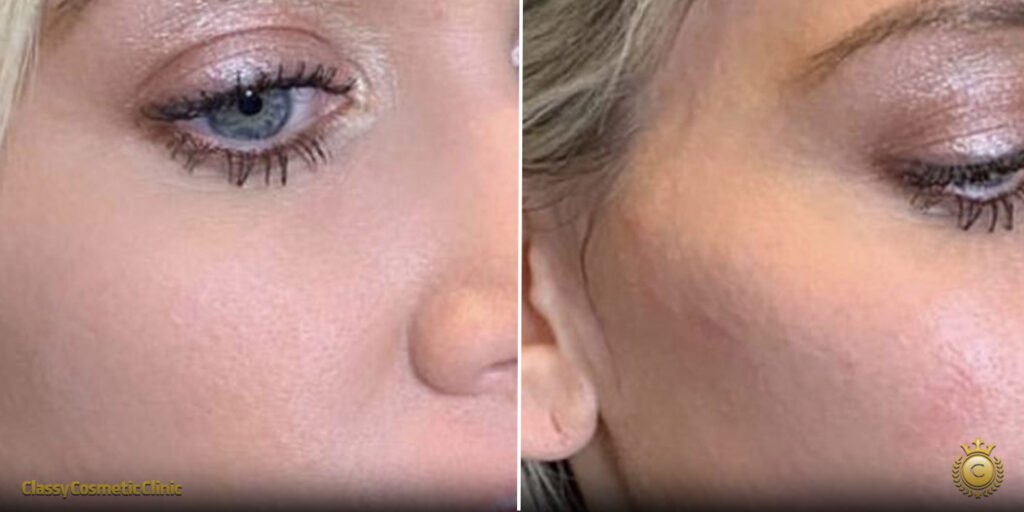
The cheeks play a central role in mid-face support. When that area looks flatter, the under-eye transition may look harsher and smile lines may seem more pronounced. Thoughtful cheek filler can sometimes support the appearance of structure without making the face look overly full. For someone searching cheek filler in Newmarket, the more useful question is often not “How much volume?” but “How much support would look natural on my face?”
Chin
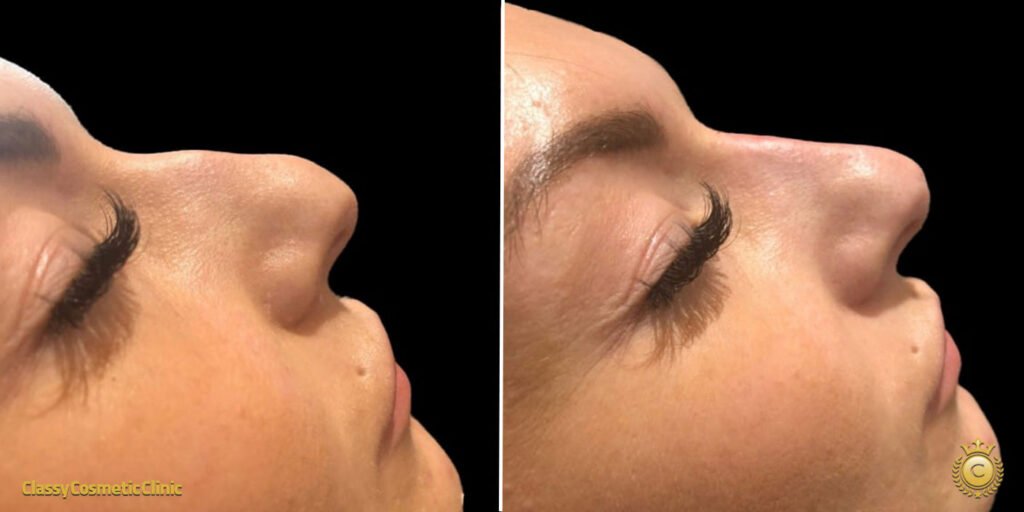
Chin filler can influence profile balance more than many people expect. A chin that appears recessed or under-projected may make the lips, nose, or jawline feel less proportional. Depending on assessment, chin filler may help support lower-face harmony, shape, and projection in a subtle way. The important word is subtle. Too much projection can quickly look unnatural.
Jawline
Jawline filler may be suitable for clients who want more definition along the lower face, but a refined result should still suit the person’s facial structure. Good jawline work is not about creating harsh angles for everyone. It is about shape, transition, and proportion. In some faces, a modest adjustment is enough. In others, filler may not be the best option if laxity or fullness below the chin is the main concern.

Smile lines
Smile lines are a normal part of facial expression and facial aging. They should not be approached with an “erase every line” mindset. Filler may help soften this area in selected cases, but direct treatment is not always the best first move. When mid-face support is part of the issue, treating the cheeks first may produce a softer and more believable result than simply filling the fold itself.
Under-eye / tear trough
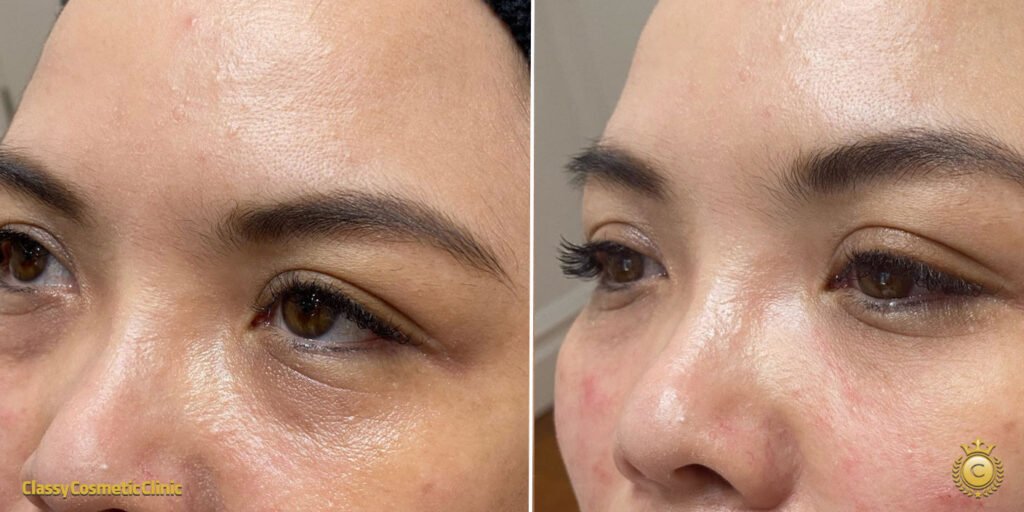
Under-eye filler deserves especially careful wording because it is not suitable for everyone. Hollowing is only one reason the under-eye area can look tired. Puffiness, thin skin, pigmentation, vascular changes, fluid retention, and skin laxity can all contribute. In select cases, under-eye filler may help soften hollowness and improve the way light reflects in that area. In other cases, filler may not be the right recommendation at all. This is one of the clearest examples of why assessment-led treatment matters.
Conservative placement often looks more refined
One of the most common fears around filler is looking overdone. Usually, that concern is not really about filler itself. It is about treatment that ignored proportion, used too much product too quickly, or treated features in isolation.
A conservative approach often looks more elegant because it leaves room for the face to settle and for decisions to be made gradually. Product choice matters. Placement depth matters. The amount matters. Timing matters. In many cases, staged treatment is more refined than trying to do everything in one visit. This approach is especially useful for first-time filler clients and for anyone who wants natural-looking dermal fillers rather than obvious change.
Dermal fillers and wrinkle-relaxing treatments do different jobs
Dermal fillers and Botox are often discussed together, but they address different concerns. Fillers are generally used to provide temporary support, contour, or softness beneath the skin. Wrinkle-relaxing treatments target muscle movement and are usually more relevant for dynamic lines, such as frown lines, forehead lines, or crow’s feet.
That difference matters when expectations are being set. If a concern is mainly caused by repeated movement, filler may not be the most appropriate first recommendation. If the concern is more related to contour, volume distribution, or profile balance, filler may be the more relevant discussion. Some clients benefit from a combined plan, but not everyone needs both. The right choice depends on what is actually causing the concern.
What fillers cannot do
Dermal fillers can be helpful, but they should not be presented as more than they are. They cannot promise perfect symmetry. They cannot permanently correct facial aging. They do not stop the face from changing over time. They cannot replace surgical treatment where lifting or significant structural change is required. And they should not be offered as a shortcut around good consultation.
There is also no such thing as treatment without risk. Health Canada notes that injectable dermal fillers can be associated with reactions such as pain, bruising, redness, swelling, nodules, infection, discoloration, and allergic reactions, with some reactions requiring additional treatment. That is exactly why product choice, technique, medical review, and aftercare matter so much.
What to expect from a consultation
A consultation for dermal fillers should feel calm, clear, and individualized. You should expect a conversation about your goals, previous treatments, medical history, medications, and the areas that concern you most. The face should be assessed as a whole, not as a collection of disconnected treatment zones.
If filler appears suitable, the next step is planning. That can include which area to treat first, whether a conservative amount is better, what filler may or may not help with, and what temporary side effects may occur after treatment. Swelling, tenderness, redness, and bruising can happen, and healing can vary by person and by area. Final assessment is usually more meaningful after the initial swelling has settled. Results are temporary, and maintenance should be discussed thoughtfully rather than treated as automatic.
Dermal fillers in Thornhill and Newmarket
Classy Cosmetic Clinic offers dermal filler consultations and treatments in both Thornhill and Newmarket. The current site positioning for both the filler service page and the location pages emphasizes the same approach across both clinics: thoughtful consultations, natural-looking results, and treatment planning built around facial harmony rather than trend-driven volume.
For local clients, that matters. Someone searching dermal fillers Thornhill or dermal fillers Newmarket is not only looking for convenience. They are usually looking for judgment, restraint, and a provider who can explain why one area may be a better starting point than another.
If you are considering dermal fillers, the most useful next step is not choosing a syringe amount or copying a trend. It is having a proper consultation to discuss what is bothering you, what may support better facial balance, and whether filler is the right option at all.
To contact Classy Cosmetic Clinic, call 647 909 5026 or email classycosmeticclinic@gmail.com. You can also visit the clinic at 7163 Yonge Street Suite 269, Thornhill, Ontario L3T 0C6 or 16775 Yonge Street Suite 217, Newmarket, Ontario L3Y 8J.
FAQ suggestions if useful
-
How do dermal fillers help with facial balance?
Dermal fillers may support facial balance by adding temporary structure or softness in selected areas such as the lips, cheeks, chin, jawline, or smile lines, depending on assessment. -
Are dermal fillers and Botox the same treatment?
No. Dermal fillers are generally used for volume support and contour, while Botox or wrinkle-relaxing treatment is used to reduce targeted muscle movement related to dynamic lines. -
Is under-eye filler suitable for everyone?
No. The under-eye area is delicate, and filler may be suitable only in select cases. Puffiness, pigmentation, skin laxity, and other causes of under-eye darkness may need a different approach. -
Will dermal fillers make me look overdone?
A conservative treatment plan may help reduce the risk of an overfilled look. Product choice, amount, placement, and staged treatment all matter. -
How long do dermal fillers last?
Results are temporary and vary by treatment area, product, metabolism, and individual response. Longevity should be discussed during consultation based on your plan.